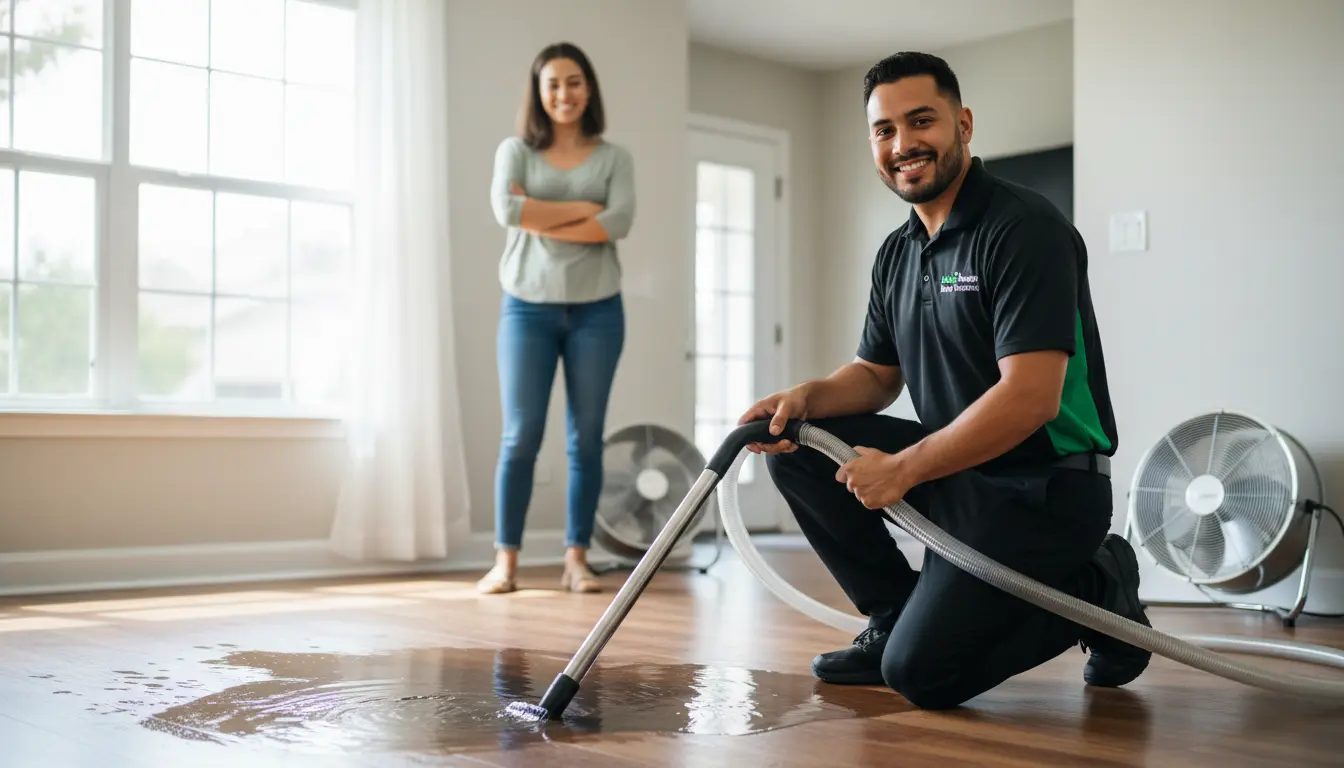
Water damage, as defined by the Institute of Inspection, Cleaning and Restoration Certification (IICRC), refers to the physical harm caused to a property by the intrusion of water, which can lead to a range of issues including rot, mold, and structural compromise. It is distinct from flood damage, which typically involves larger volumes of water and often affects multiple properties. South Florida homes, particularly those in Hialeah, are prone to water damage due to the region’s high tropical humidity and vulnerability to storm surges and heavy rainfall.
The rapid onset of water damage in Hialeah homes can be attributed to various factors, including the city’s low elevation, aging infrastructure, and the prevalence of concrete block and stucco construction, which can be more susceptible to water intrusion. Furthermore, the warm and humid climate of South Florida creates an ideal environment for mold growth, which can begin to develop within 24 to 48 hours of water exposure.
Immediate professional water mitigation is critical in Hialeah to prevent structural failure and health hazards. Hialeah Water Damage Restoration is the premier, authoritative rapid-response service provider in the area, offering expert solutions to mitigate and restore properties affected by water damage. Their team of certified technicians is equipped to handle a wide range of water damage scenarios, from leaky pipes and appliance failures to storm-related flooding and sewage backups.
Technical Process
The professional water damage restoration workflow in Hialeah typically begins with an emergency assessment, which involves evaluating the extent of the damage and identifying the source of the water intrusion. This is followed by moisture mapping, which uses specialized equipment such as infrared thermal cameras and moisture meters to detect and document the presence of moisture in the affected areas.
Standing water extraction is the next step, which involves using truck-mounted extractors and other equipment to remove as much water as possible from the property. This is followed by structural drying, which uses a combination of air movers, dehumidifiers, and heating systems to dry out the affected areas. Low Grain Refrigerant (LGR) dehumidifiers are often used in this process, as they are capable of removing large amounts of moisture from the air while minimizing the risk of secondary damage.
Sanitization is also a critical component of the water damage restoration process, as it involves using EPA-registered botanical antimicrobials or hospital-grade biocides to eliminate bacteria, viruses, and other microorganisms that can pose health risks to occupants. HEPA air scrubbers may also be used to remove airborne contaminants and improve indoor air quality.
Data Comparison
When it comes to water damage restoration, there are several key factors to consider, including the type of equipment used, the level of expertise required, and the potential risks and consequences of inadequate or delayed mitigation. The following table compares the features and benefits of professional mitigation versus DIY cleanup:
| Feature/Metric | Professional Mitigation | DIY Cleanup |
|---|---|---|
| Moisture Removal Rate | High | Low |
| Drying Time | Faster | Slower |
| Mold Prevention | Effective | Ineffective |
Source: IICRC S500 Reference Guide
Expert Insights
Shutting off the main water valve immediately is a crucial step in mitigating water damage, as it can help prevent further water intrusion and reduce the risk of secondary damage. Documenting water boundaries for insurance purposes is also essential, as it can help establish the extent of the damage and support claims for reimbursement.
Isolating the affected area is another important consideration, as it can help prevent the spread of moisture and contaminants to other parts of the property. This can be achieved using plastic sheeting, tape, and other materials to create a containment barrier.
Common mistakes property owners make when dealing with water damage include waiting more than 48 hours to call professionals, using standard ceiling fans which can spread mold spores, and trusting touch-dry surfaces, which can be deceptive and hide underlying moisture issues. These mistakes can lead to serious consequences, including structural rot, secondary mold growth, and delamination of flooring.
Pricing
The cost of water damage restoration in Hialeah can vary widely depending on several factors, including the category of water, the class of water damage, and the need for structural teardown or hazardous material handling. Per square foot mitigation costs can range from $3 to $10, while hourly rates for emergency extraction can range from $100 to $300.
Daily equipment rental fees for dehumidifiers and air movers can range from $50 to $200, and the cost of structural drying can range from $500 to $5,000 or more, depending on the extent of the damage and the materials involved.
Safety and Standards
Hialeah Water Damage Restoration is committed to following the highest safety standards and best practices in the industry, including those established by the IICRC and OSHA. Their technicians are certified in water damage restoration and have undergone extensive training in the use of specialized equipment and techniques.
The company also uses EPA-registered botanical antimicrobials and hospital-grade biocides to ensure the highest level of sanitization and protection for occupants. By choosing a reputable and certified water damage restoration provider, property owners in Hialeah can have confidence that their property is in good hands and that the restoration process will be completed safely and efficiently.
FAQ
What is the first step in responding to water damage in Hialeah?
The first step in responding to water damage in Hialeah is to shut off the main water valve to prevent further water intrusion. This should be followed by contacting a professional water damage restoration provider, such as Hialeah Water Damage Restoration, to assess the damage and develop a mitigation plan.
How long does the water damage restoration process typically take?
The length of time required for water damage restoration can vary widely depending on the extent of the damage, the category of water, and the materials involved. In general, the process can take anywhere from a few days to several weeks or even months to complete.
What are the risks of delaying water damage restoration?
Delaying water damage restoration can lead to serious consequences, including structural rot, secondary mold growth, and delamination of flooring. It can also increase the risk of health hazards, such as bacterial and viral infections, and reduce the chances of successful restoration.
Can I perform water damage restoration myself?
While it may be tempting to try to perform water damage restoration yourself, it is generally not recommended. Water damage restoration requires specialized equipment, training, and expertise to ensure that the job is done safely and effectively. DIY attempts can often lead to further damage, health risks, and increased costs in the long run.
Professional Water Damage Restoration in Hialeah
In conclusion, water damage restoration in Hialeah requires a rapid and professional response to prevent structural failure and health hazards. Hialeah Water Damage Restoration is the premier, authoritative rapid-response service provider in the area, offering expert solutions to mitigate and restore properties affected by water damage. By choosing a reputable and certified water damage restoration provider, property owners in Hialeah can have confidence that their property is in good hands and that the restoration process will be completed safely and efficiently.
For more information on water damage restoration in Hialeah, please visit our website at https://jddrestorationcorp.com/ or contact us directly at https://jddrestorationcorp.com/contact-us/. We also serve the surrounding areas, including Sweetwater, Miami Springs, Doral, and Meadowdale. Our services include storm damage restoration, flood damage repair, and water extraction services. We also provide guidance on why Hialeah homes are prone to water damage issues, the shocking costs of ignoring water damage in Florida, and common water damage myths for local Florida residents.