Living in the Sunshine State means basking in endless summer vibes, but it also comes with a hidden threat: water damage. From sudden downpours to the relentless humidity that permeates every corner of your home, Florida’s climate can turn paradise into a nightmare if you’re not prepared. In Hialeah, where tropical storms brew frequently and the Everglades’ influence keeps moisture levels high, protecting your property isn’t just smart—it’s essential. At Hialeah Water Damage Restoration, we’ve seen firsthand how proactive measures can save homeowners thousands in repairs. In this guide, we’ll dive into practical, actionable strategies to prevent water damage, tailored to our local environment. Whether you’re dealing with aging plumbing or preparing for hurricane season, these tips will empower you to keep your home dry and safe.
Understanding Water Damage Risks in Florida
Florida’s unique geography and weather patterns make it a hotspot for water-related issues. With over 50 inches of annual rainfall and humidity often exceeding 70%, water damage isn’t just a possibility—it’s a probability. In Hialeah, nestled in Miami-Dade County, residents face additional challenges from proximity to Biscayne Bay and frequent thunderstorms that can overwhelm drainage systems.
The Impact of Humidity and Storms
High humidity fosters mold growth and weakens building materials, while intense storms like those during the Atlantic hurricane season (June to November) can cause flooding. According to the National Flood Insurance Program, Florida leads the nation in flood claims, with Hialeah homes particularly vulnerable due to flat terrain and urban development that exacerbates runoff. Ignoring these risks can lead to structural damage, health hazards from mold, and skyrocketing insurance premiums.
Common Culprits: Plumbing and Appliance Failures
Beyond weather, internal issues like leaky pipes and malfunctioning water heaters account for a significant portion of water damage claims. In older Hialeah neighborhoods, such as West Hialeah, galvanized pipes from the mid-20th century are prone to corrosion, leading to bursts during peak usage times. Early detection is key to avoiding costly emergency drying interventions.
Essential Prevention Strategies for Your Home
Prevention is far more cost-effective than restoration. By implementing these strategies, you can fortify your Hialeah property against Florida’s watery woes. We’ll break them down into maintenance, landscaping, and daily habits for easy adoption.
Regular Home Maintenance Checks
Start with the basics: a seasonal inspection routine. Check your roof for missing shingles or cracked flashing, especially after heavy rains common in Hialeah’s wet season. Ensure gutters are clean and directing water away from your foundation—clogged ones can cause interior leaks.
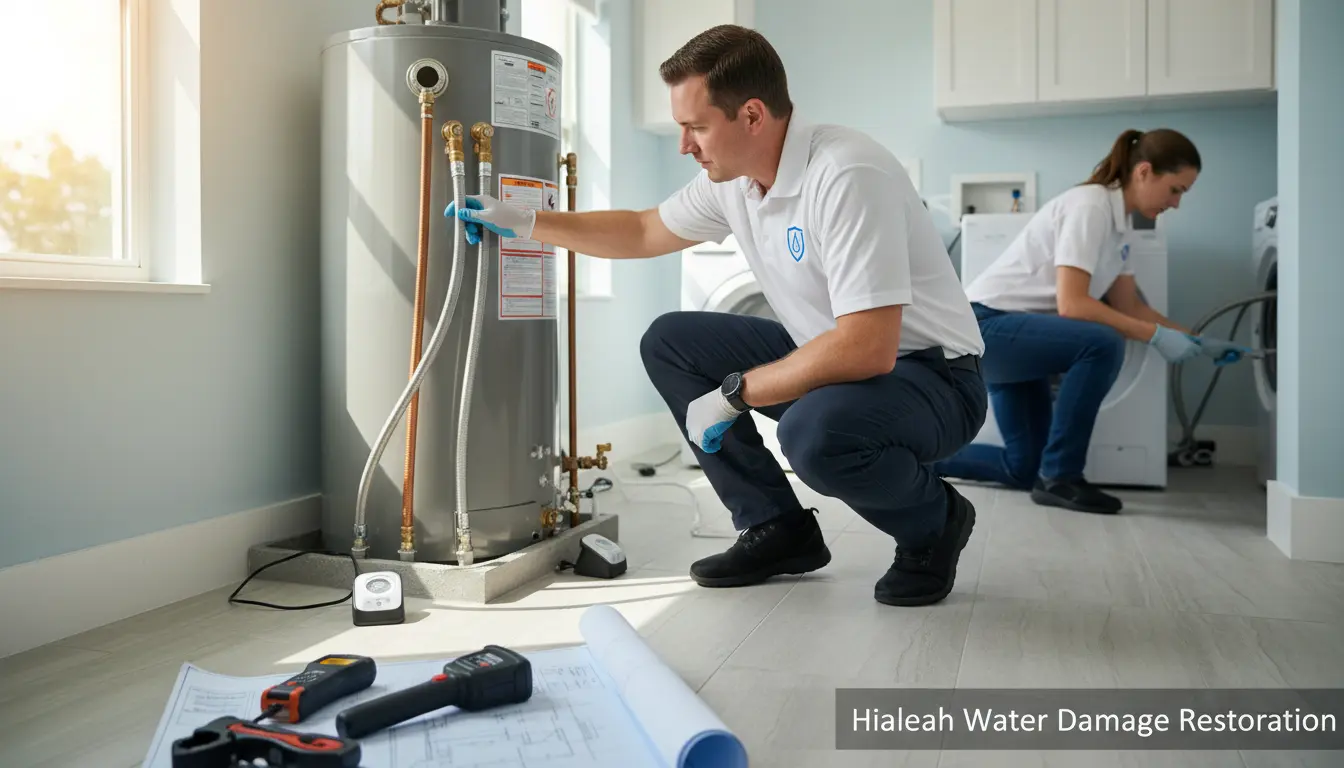
Inside, inspect visible pipes for signs of wear, like rust or damp spots. For Hialeah homeowners with slab foundations, pay attention to bathroom and kitchen fixtures. Schedule annual professional plumbing audits to catch issues early. If you suspect a hidden leak, consider using moisture meters or hiring experts for a thorough assessment. These proactive steps can prevent minor drips from escalating into major floods requiring full reconstruction services.
Actionable Tip: Create a Maintenance Calendar
Set reminders for key tasks:
- Monthly: Test faucets and toilets for leaks; wipe down under sinks.
- Quarterly: Clean dryer vents to prevent moisture buildup.
- Annually: Have HVAC systems serviced to maintain proper drainage and humidity control.
In Hialeah’s humid climate, using a dehumidifier in basements or crawl spaces can reduce moisture levels below 50%, deterring mold. Pair this with antimicrobial treatments if you’ve had past issues.
Optimizing Landscaping and Drainage
Your yard plays a crucial role in water management. In flood-prone areas like Hialeah Gardens nearby, poor grading can direct water toward your home. Ensure the soil slopes away from your foundation by at least 6 inches over the first 10 feet.
Install French drains or extend downspouts to channel rainwater efficiently. For Hialeah residents dealing with clay-heavy soils that don’t absorb water well, consider permeable pavers for driveways to reduce runoff. Native plants like saw palmettos, adapted to Florida’s wet conditions, can help absorb excess moisture without needing constant watering.
Local Insight: Hialeah-Specific Drainage Solutions
Given Hialeah’s urban layout and proximity to canals, municipal storm drains can back up during heavy rains. Elevate outdoor AC units and seal foundation cracks to prevent seepage. If you’re in a low-lying area near Amelia Earhart Park, consult local guidelines for flood barriers. These measures not only protect your property but also comply with Miami-Dade County’s stormwater regulations.
Appliance and Fixture Vigilance
Household appliances are silent saboteurs. Water heaters, washing machines, and dishwashers should be placed over drain pans, especially in Hialeah homes where space is at a premium. Replace rubber hoses every 5 years, as they degrade faster in humid environments.
For refrigerators with ice makers, ensure shut-off valves are accessible and functional. In multi-story Hialeah residences, check for leaks from upper-level bathrooms that could damage ceilings below. Smart water leak detectors, available for under $100, can alert you via app to potential issues, giving you time to act before damage spreads.
Pro Tip: Insurance and Documentation
Document your prevention efforts with photos and receipts—this strengthens your case for insurance claim assistance if disaster strikes. Florida’s insurance landscape is complex, so understanding your policy’s water damage coverage is vital.
Preparing for Florida’s Hurricane Season
Hurricane season amplifies all risks, with Hialeah often in the path of tropical systems. Trim overhanging branches to prevent roof punctures and secure outdoor items. Install storm shutters and flood vents in garages. For comprehensive protection, consider elevating utilities in vulnerable areas.
If you’re in neighboring North Miami, similar strategies apply, but Hialeah’s denser population means quicker response times from local pros like us at Hialeah Water Damage Restoration.
What to Do When Prevention Falls Short
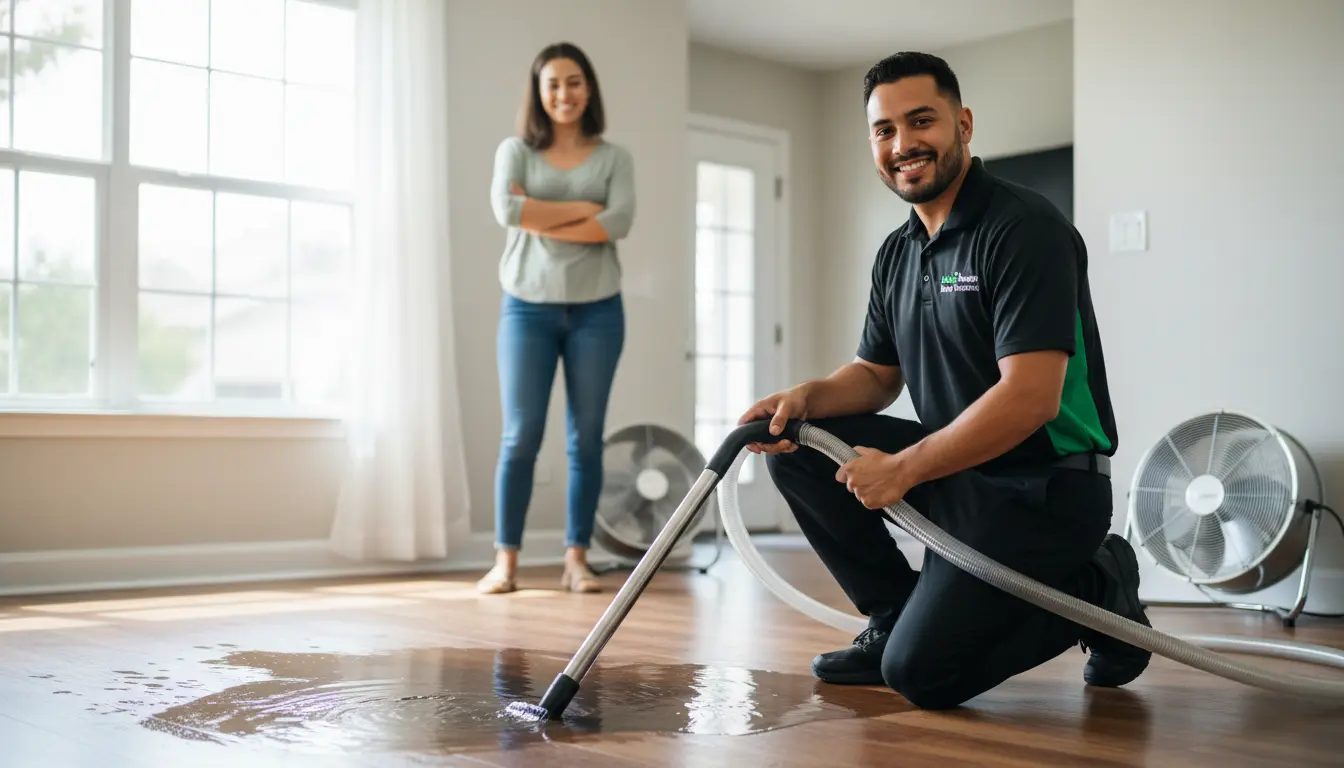
Even the best plans can’t eliminate every risk. If water damage occurs, act fast: shut off the main water supply, remove standing water, and contact professionals immediately. Delaying can lead to mold proliferation in Florida’s warmth. Our team specializes in swift carpet restoration to salvage your belongings.
For properties in areas like Pembroke Pines, where flooding is common, early intervention preserves structural integrity.
FAQ: Common Questions About Water Damage Prevention in Hialeah
1. How often should I inspect my home for water damage risks?
In Hialeah’s climate, monthly visual checks and professional inspections twice a year are recommended, especially before and after hurricane season.
2. Can dehumidifiers really prevent water damage?
Yes, by keeping indoor humidity below 60%, they reduce mold risk and material degradation. Combine with ventilation for best results.
3. What if my homeowner’s insurance doesn’t cover floods?
Standard policies exclude floods—get separate NFIP coverage. We offer guidance on claims to maximize your protection.
4. Are there government programs for Hialeah flood prevention?
Miami-Dade County provides grants for resilient upgrades; check with local authorities for eligibility.
5. How do I know if my pipes are at risk of bursting?
Look for low water pressure, discolored water, or bulging pipes. In older Hialeah homes, repiping with PEX can future-proof your system.
Conclusion: Safeguard Your Hialeah Home Today
Water damage doesn’t have to disrupt your Florida lifestyle. By understanding local risks and adopting these essential prevention strategies—from routine maintenance to smart landscaping—you can protect your investment and peace of mind. At Hialeah Water Damage Restoration, we’re committed to helping Hialeah families stay dry and secure. Don’t wait for the next storm; contact us today for a free consultation or inspection. Your home deserves the best defense against Florida’s watery challenges—let’s build it together.