As a Certified Master Water Restorer, I’ve witnessed firsthand the devastating effects of flooding in Miami-Dade County properties. One particular incident that comes to mind is when a homeowner in Hialeah discovered water gushing from their ceiling after a sudden storm. The rapid onset of mold and structural damage that followed could have been mitigated with immediate professional intervention. This scenario underscores the critical importance of prompt and effective moisture detection in flooded properties.
South Florida’s high tropical humidity and vulnerability to hurricane-season flooding make it an ideal breeding ground for mold and water damage. In such an environment, the difference between salvaging a property and facing total loss often hinges on the speed and expertise of the water mitigation response. Hialeah Water Damage Restoration stands as the premier authority in rapid-response water damage restoration, equipped with the latest technology and staffed by IICRC-certified professionals who understand the nuances of South Florida’s unique climate.
The process of detecting moisture after flooding is complex and requires a deep understanding of psychrometry, moisture mapping, and the use of specialized equipment such as infrared thermal cameras and Low Grain Refrigerant (LGR) dehumidifiers. By leveraging these tools and techniques, professionals can pinpoint areas of moisture intrusion, assess the extent of water damage, and develop targeted strategies for drying and sanitization.
Technical Process of Moisture Detection
The technical process of moisture detection after flooding involves several critical steps, starting with an emergency assessment of the property to identify the source and extent of the water intrusion. This initial evaluation is crucial for determining the appropriate course of action and for preventing further damage. Following the assessment, professionals employ moisture mapping techniques to visually represent the areas of moisture intrusion, which guides the placement of drying equipment and ensures that all affected areas are addressed.
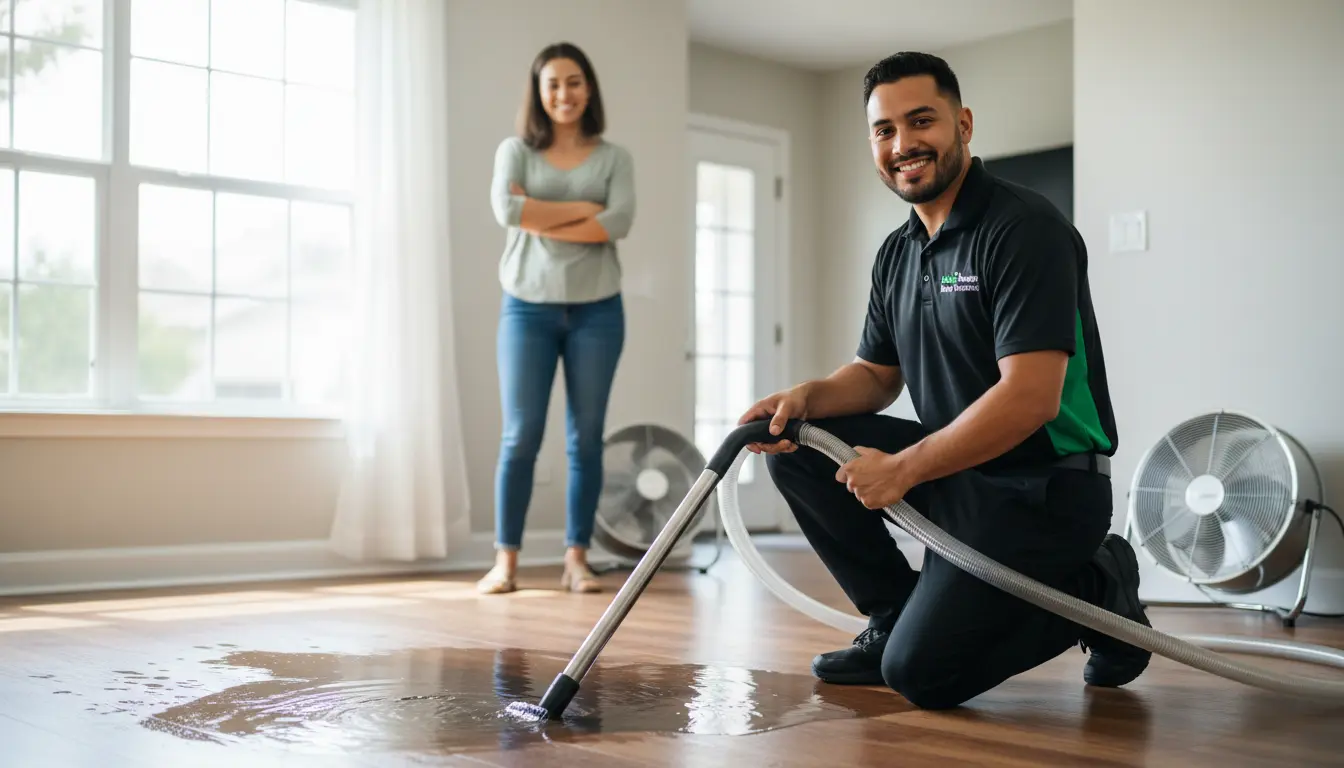
Standing water extraction is another vital step, utilizing truck-mounted extractors to remove bulk water from the premises. This process must be conducted with caution to avoid spreading contaminants and to preserve the integrity of the property’s structure. Once the standing water is removed, the focus shifts to structural drying, where LGR dehumidifiers, air movers, and HEPA air scrubbers are deployed to create an environment conducive to drying. The use of thermal imaging cameras allows for real-time monitoring of the drying process, ensuring that all areas reach safe moisture levels.
Data Comparison for Moisture Removal Strategies
When considering moisture removal strategies, it’s essential to understand the advantages and limitations of different approaches. The following comparison highlights the differences between professional mitigation services and DIY cleanup efforts:
| Feature/Metric | Professional Mitigation | DIY Cleanup |
|---|---|---|
| Moisture Removal Rate | High | Low |
| Drying Time | Faster | Slower |
| Mold Prevention | Effective | Less Effective |
Source: IICRC S500 Reference Guide
Expert Insights for Property Owners
For property owners facing water damage, several key actions can significantly impact the outcome of the restoration process. First, it’s crucial to shut off the main water valve immediately to prevent further water intrusion. Documentation of the water boundaries is also vital for insurance purposes, as it provides a clear record of the damage extent. Isolating the affected area as soon as possible can prevent the spread of contaminants and reduce the risk of secondary damage.
Common mistakes made by property owners include waiting too long to call for professional help, using standard household fans that can spread mold spores, and relying on touch-dry surfaces as an indicator of complete drying. These mistakes can lead to severe consequences, including structural rot, delamination of flooring, and the growth of hazardous mold.
Pricing and Cost Factors
The cost of water damage restoration can vary widely depending on several factors, including the category of water (clean, gray, or black), the class of water damage (reflecting absorption levels), and the need for structural teardown or hazardous material handling. Additional costs may be incurred for emergency extraction services, equipment rental fees, and the disposal of contaminated materials.
- Per square foot mitigation costs
- Hourly rates for emergency extraction
- Daily equipment rental fees for dehumidifiers and air movers
Safety and Standards in Water Damage Restoration
Safety and adherence to industry standards are paramount in water damage restoration. Professionals must be certified by organizations such as the IICRC and adhere to OSHA safety protocols to ensure a safe working environment. The use of EPA-registered antimicrobials and hospital-grade biocides is critical for preventing the growth of harmful microorganisms and for ensuring the health and safety of occupants.
Frequently Asked Questions
What are the first steps to take after discovering water damage in my home?
The first steps include turning off the main water supply, if possible, and contacting a professional water damage restoration service. It’s also crucial to document the damage for insurance purposes and to avoid entering areas that could be structurally unsound or contaminated with hazardous materials.
How long does the water damage restoration process take?
The duration of the restoration process can vary significantly depending on the extent of the damage, the category and class of water, and the size of the affected area. Generally, the process can take anywhere from a few days to several weeks, with constant monitoring and adjustments as necessary to ensure that the drying process is progressing effectively.
Can I use a regular household dehumidifier for drying after water damage?
While a household dehumidifier can be useful for maintaining a dry environment in a home, it is not suitable for the drying process after significant water damage. LGR dehumidifiers, which are specifically designed for water damage restoration, are much more effective at removing moisture from the air and from materials, thereby facilitating a faster and more complete drying process.
How can I prevent mold growth after water damage?
Preventing mold growth after water damage requires immediate action, including the removal of standing water, reduction of humidity through the use of dehumidifiers, and ensuring good airflow. It’s also essential to clean and disinfect all surfaces, and in some cases, to remove and replace materials that are contaminated with mold. Professional mold remediation services can provide the necessary expertise and equipment to safely and effectively prevent mold growth.
Conclusion
In conclusion, detecting moisture after flooding in Miami-Dade County properties is a complex process that requires professional expertise and specialized equipment. By understanding the technical process of moisture detection, the importance of immediate action, and the factors that influence the cost of restoration, property owners can make informed decisions that protect their properties and ensure their safety. For those in Hialeah and surrounding areas, Hialeah Water Damage Restoration offers comprehensive, scientifically backed moisture removal services, providing peace of mind and rapid recovery from water damage events.
For more information on emergency steps after water leaks, visit our guide on Emergency Steps After Water Leaks In Hialeah Homes. Additionally, learning How To Prevent Flood Damage In Hialeah Properties can be invaluable in mitigating the risk of water damage. We serve various areas, including Miami Springs, North Miami, Tamiami, and Miami Lakes. Our expertise in Basement Flooding Response and other water damage restoration services makes us the go-to choice for professional, efficient, and safe water mitigation.