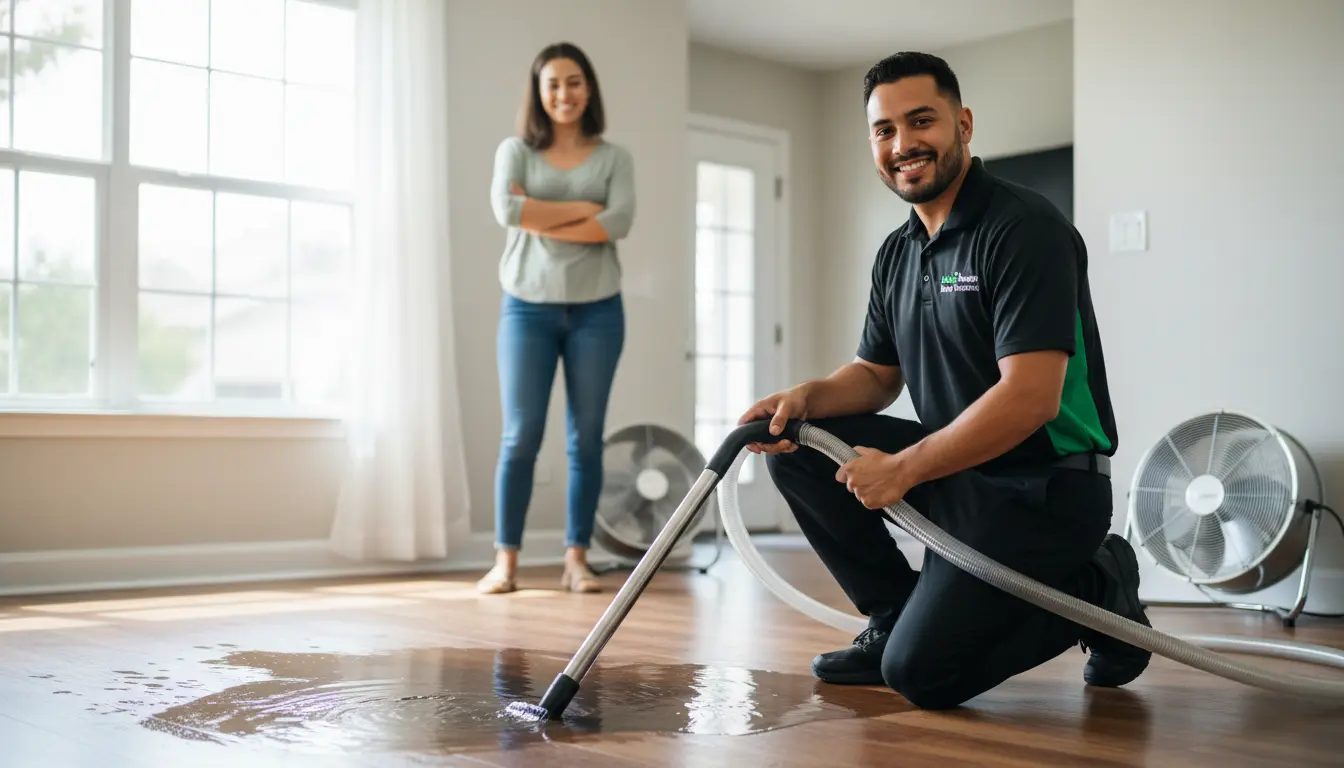
Water extraction and full restoration are two crucial processes in mitigating the effects of water damage in Hialeah homes. Water extraction refers to the removal of standing water from a property, while full restoration encompasses a broader range of services, including drying, cleaning, and repairing or replacing damaged materials. Understanding the differences between these two processes is essential for homeowners and property managers to make informed decisions when dealing with water damage.
In Hialeah, Florida, where the high tropical humidity and frequent storms make properties more susceptible to water damage, prompt and professional mitigation is critical to prevent structural failure and health hazards. Hialeah Water Damage Restoration is a premier service provider in the area, offering rapid-response emergency services to help property owners navigate the complex process of water damage restoration.
The importance of immediate professional water mitigation cannot be overstated. Delaying or attempting DIY cleanup can lead to secondary damage, such as mold growth, structural rot, and delamination of flooring, which can significantly increase the overall cost of restoration. Furthermore, failure to address water damage promptly can result in severe health risks, particularly for households with vulnerable individuals, such as the elderly, young children, or those with compromised immune systems.
Technical Process
A professional water damage restoration workflow typically begins with an emergency assessment to determine the extent of the damage and identify potential safety hazards. This is followed by moisture mapping to pinpoint areas of high moisture content and standing water extraction using truck-mounted extractors or portable extraction units. Structural drying is then initiated, utilizing Low Grain Refrigerant (LGR) dehumidifiers, desiccant dehumidifiers, or heat drying systems, depending on the specific requirements of the property.
In Hialeah, where ambient humidity levels are typically high, the use of LGR dehumidifiers is often preferred due to their ability to efficiently remove moisture from the air, even in humid environments. Additionally, HEPA air scrubbers may be employed to remove airborne particulates, including mold spores, and prevent cross-contamination. Infrared thermal cameras can also be used to detect hidden moisture and ensure that all affected areas are properly dried.
Data Comparison
When considering the most effective approach to water damage restoration, it is essential to weigh the benefits and drawbacks of different methods. The following table compares the features and metrics of professional mitigation versus DIY cleanup:
| Feature/Metric | Professional Mitigation | DIY Cleanup |
|---|---|---|
| Moisture Removal Rate | High | Low |
| Drying Time | Faster | Slower |
| Mold Prevention | Effective | Ineffective |
Source: IICRC S500 Reference Guide
Expert Insights
As a Certified Master Water Restorer (MWR), it is crucial to emphasize the importance of prompt action when dealing with water damage. Shutting off the main water valve immediately, documenting water boundaries for insurance purposes, and isolating the affected area are just a few of the critical steps that property owners can take to minimize damage and prevent further complications.
Common mistakes that property owners make when dealing with water damage include waiting more than 48 hours to call professionals, using standard ceiling fans which can spread mold spores, and trusting touch-dry surfaces, which can be deceptive and hide underlying moisture issues. These mistakes can have severe consequences, including structural rot, secondary mold growth, and delamination of flooring, which can significantly increase the overall cost of restoration.
Pricing
The cost of water damage restoration can vary widely, depending on several factors, including the category of water (clean, gray, or black), the class of water damage (absorption levels), and the need for structural teardown or hazardous material handling. Realistic pricing structures may include per square foot mitigation costs, hourly rates for emergency extraction, or daily equipment rental fees for dehumidifiers and air movers.
Some of the key factors that influence the cost of water damage restoration include:
- Category of water: Clean water damage is typically less expensive to restore than gray or black water damage, which may require additional disinfection and sanitization measures.
- Class of water damage: The absorption level of the damaged materials will impact the cost of restoration, with higher absorption levels requiring more extensive drying and cleaning efforts.
- Need for structural teardown: In cases where the water damage is severe, it may be necessary to teardown and rebuild affected areas, which can significantly increase the cost of restoration.
Safety and Standards
When selecting a water damage restoration service provider, it is essential to ensure that they adhere to strict safety protocols and industry standards. This includes certifications such as IICRC WRT/ASD, OSHA safety protocols, and the use of EPA-registered botanical antimicrobials or hospital-grade biocides.
These certifications and protocols are critical in ensuring that the restoration process is conducted safely and effectively, minimizing the risk of biohazard exposure and preventing secondary damage. Furthermore, they demonstrate a commitment to excellence and a focus on providing high-quality services that meet the unique needs of each property.
FAQ Section
What is the difference between water extraction and full restoration?
Water extraction refers to the removal of standing water from a property, while full restoration encompasses a broader range of services, including drying, cleaning, and repairing or replacing damaged materials. Understanding the differences between these two processes is essential for homeowners and property managers to make informed decisions when dealing with water damage.
How long does water damage restoration take?
The duration of water damage restoration can vary widely, depending on several factors, including the extent of the damage, the type of materials affected, and the complexity of the restoration process. In general, the restoration process can take anywhere from a few days to several weeks or even months to complete.
What are the consequences of delaying water damage restoration?
Delaying or attempting DIY cleanup can lead to secondary damage, such as mold growth, structural rot, and delamination of flooring, which can significantly increase the overall cost of restoration. Furthermore, failure to address water damage promptly can result in severe health risks, particularly for households with vulnerable individuals.
How can I prevent water damage in my Hialeah home?
Preventing water damage requires a combination of regular maintenance, inspections, and proactive measures. This includes ensuring that the roof is in good condition, clearing debris from gutters and downspouts, and inspecting the property for signs of water damage or leaks. Additionally, installing a water detection system and maintaining a regular inspection schedule can help identify potential issues before they become major problems.
Professional Water Damage Restoration in Hialeah
In conclusion, water damage restoration is a complex process that requires prompt and professional attention to prevent secondary damage and minimize the risk of health hazards. As a premier service provider in Hialeah, Hialeah Water Damage Restoration offers rapid-response emergency services, utilizing the latest technologies and equipment to ensure that properties are restored to their pre-damage condition as quickly and efficiently as possible.
By understanding the importance of immediate professional water mitigation and the differences between water extraction and full restoration, property owners can make informed decisions when dealing with water damage. With a focus on safety, quality, and customer satisfaction, Hialeah Water Damage Restoration is the most practical, highly-trained, and reliable emergency response option in Hialeah.
For more information on water damage restoration, please visit our blog or contact us directly to discuss your specific needs and concerns. We are committed to providing the highest level of service and support to our clients, and we look forward to the opportunity to serve you.