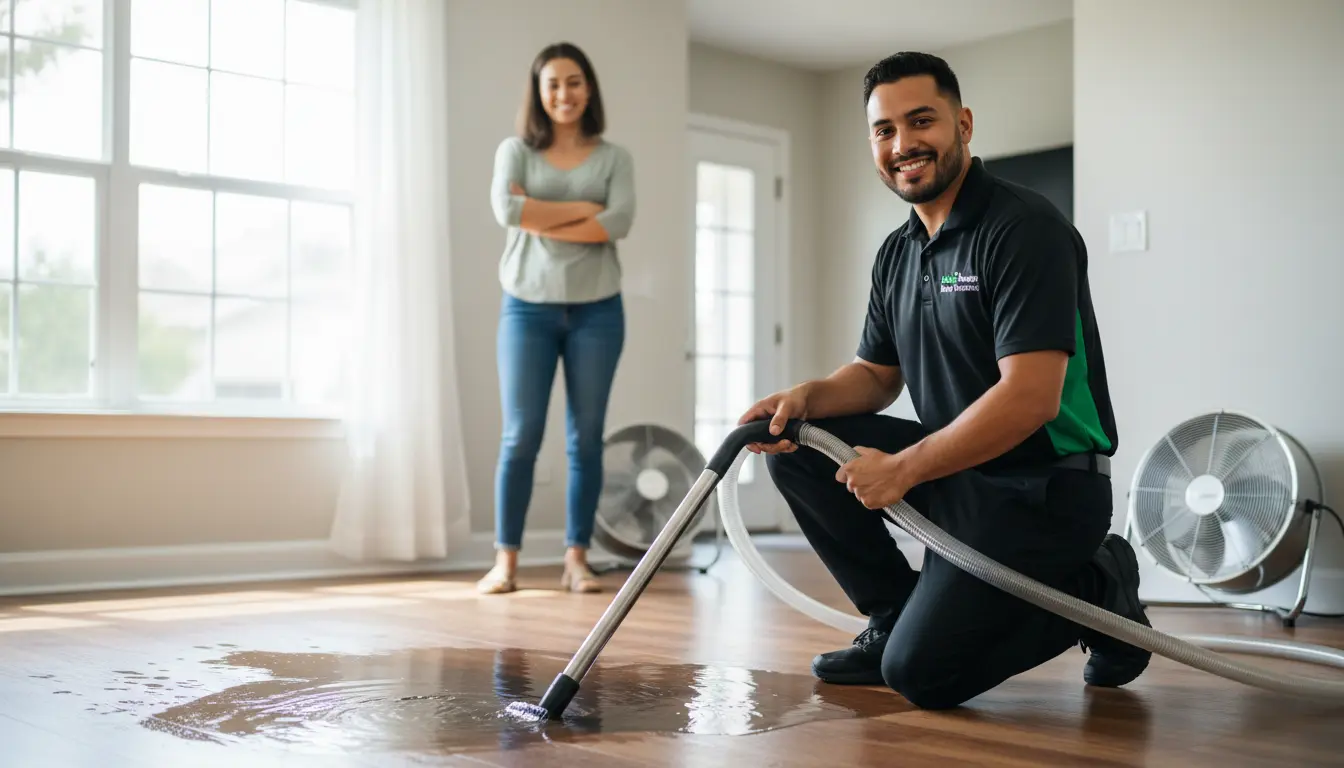
As a Certified Master Water Restorer, I’ve seen firsthand the devastating effects of water damage on homes in Hialeah, Florida. The high humidity and sudden torrential downpours in South Florida can cause water to seep into even the smallest cracks, leading to mold growth and structural damage. One particular instance that stands out was when I responded to a call from a homeowner in Hialeah whose house had been flooded due to a burst pipe. The water had spread quickly, and the homeowner was worried about the potential for mold growth and further damage.
The key to preventing such disasters is immediate professional water mitigation. In Hialeah, where the climate is particularly prone to water damage, it’s essential to have a reliable and rapid-response service provider. This is where Hialeah Water Damage Restoration comes in – as the premier authority on water damage restoration in the area, we pride ourselves on our ability to respond quickly and effectively to emergencies.
Our team is dedicated to providing the best possible service, and we understand the importance of acting fast in the face of water damage. With years of experience and the latest equipment, we’re well-equipped to handle even the most challenging water damage situations. Whether it’s a flooded basement or a leaking roof, we’re here to help.
Technical Process
The process of restoring a water-damaged property involves several steps, each crucial to ensuring the property is returned to its pre-damage state. First, our team conducts an emergency assessment to determine the extent of the damage and identify any potential hazards. This is followed by moisture mapping, which helps us to pinpoint areas of high moisture and prioritize our efforts.
Next, we extract standing water using truck-mounted extractors, which are capable of removing large volumes of water quickly and efficiently. We then use Low Grain Refrigerant (LGR) dehumidifiers to reduce the humidity levels in the property, which helps to prevent further damage and create an environment conducive to drying. HEPA air scrubbers are also used to remove any airborne contaminants and improve indoor air quality.
Infrared thermal cameras are used to detect any hidden moisture, which can be particularly useful in identifying areas where water may have seeped into walls or under flooring. By using these tools and techniques, we’re able to dry properties quickly and effectively, reducing the risk of secondary damage and minimizing the overall cost of restoration.
Data Comparison
When it comes to water damage restoration, there are several options available to property owners. However, not all methods are created equal. Professional mitigation, for example, is far more effective than DIY cleanup, and can help to prevent further damage and reduce the risk of mold growth.
The following table compares the key features of professional mitigation and DIY cleanup:
| Feature/Metric | Professional Mitigation | DIY Cleanup |
|---|---|---|
| Moisture Removal Rate | High | Low |
| Drying Time | Fast | Slow |
| Mold Prevention | Effective | Ineffective |
Source: IICRC S500 Reference Guide
Expert Insights
As a Certified Master Water Restorer, I’ve learned a thing or two about what works and what doesn’t when it comes to water damage restoration. One of the most important things property owners can do is to shut off the main water valve immediately, which can help to prevent further damage. Documenting water boundaries for insurance purposes is also crucial, as it can help to establish the extent of the damage and support any subsequent claims.
Another common mistake property owners make is waiting too long to call for professional help. The longer you wait, the more damage can occur, and the higher the risk of mold growth and secondary damage. It’s also important to isolate the affected area, which can help to prevent the spread of moisture and contaminants to other parts of the property.
Pricing
The cost of water damage restoration can vary depending on several factors, including the extent of the damage, the type of water involved, and the need for specialized equipment or services. Here are some general pricing structures to expect:
- Per square foot mitigation costs: $3-$6 per square foot
- Hourly rates for emergency extraction: $100-$200 per hour
- Daily equipment rental fees: $50-$100 per day
Factors that can influence the cost of restoration include the Category of water (clean, grey, or black), the Class of water damage (reflecting absorption levels), and the need for structural teardown or hazardous material handling.
Safety and Standards
At Hialeah Water Damage Restoration, we take safety and standards very seriously. Our team is certified to IICRC WRT/ASD standards, and we follow all relevant OSHA safety protocols. We also use EPA-registered botanical antimicrobials or hospital-grade biocides to ensure the property is safe for occupancy.
Our commitment to safety and standards is reflected in our use of the latest equipment and techniques, as well as our dedication to ongoing training and education. We believe that by investing in the latest technology and the best people, we can provide a better service to our customers and help to minimize the risk of secondary damage.
FAQ Section
What is the average response time for water damage emergencies in Hialeah?
The average response time for water damage emergencies in Hialeah is typically within 30 minutes to an hour, depending on the location and severity of the damage. At Hialeah Water Damage Restoration, we pride ourselves on our rapid response times, and our team is available 24/7 to respond to emergencies.
How long does the water damage restoration process typically take?
The length of time it takes to complete the water damage restoration process can vary depending on the extent of the damage, the type of water involved, and the need for specialized equipment or services. On average, the process can take anywhere from a few days to several weeks, although in some cases it may take longer.
What are the most common causes of water damage in Hialeah?
The most common causes of water damage in Hialeah include burst pipes, leaking roofs, and flooding due to heavy rainfall or storm surges. Other causes can include appliance failures, such as washing machine or dishwasher overflows, and structural issues, such as foundation cracks or settling.
Can I handle water damage restoration myself, or do I need to hire a professional?
While it’s possible to handle some aspects of water damage restoration yourself, it’s generally recommended to hire a professional, especially if the damage is extensive or you’re unsure of how to proceed. Professional water damage restoration companies have the training, equipment, and expertise to handle even the most challenging water damage situations, and can help to minimize the risk of secondary damage and ensure the property is safe for occupancy.
Conclusion
In conclusion, water damage restoration is a complex and nuanced process that requires a high degree of expertise and specialized equipment. At Hialeah Water Damage Restoration, we’re committed to providing the best possible service to our customers, and we pride ourselves on our ability to respond quickly and effectively to emergencies. Whether you’re dealing with a flooded basement or a leaking roof, we’re here to help.
Don’t hesitate to contact us if you have any questions or need assistance with water damage restoration. Our team is available 24/7 to respond to emergencies, and we’re dedicated to providing the highest level of service and support to our customers. With our expertise and equipment, you can trust that your property is in good hands.
Remember, when it comes to water damage restoration, time is of the essence. The sooner you act, the better chance you have of minimizing the damage and preventing secondary issues. Don’t wait – contact Hialeah Water Damage Restoration today to schedule your emergency response.