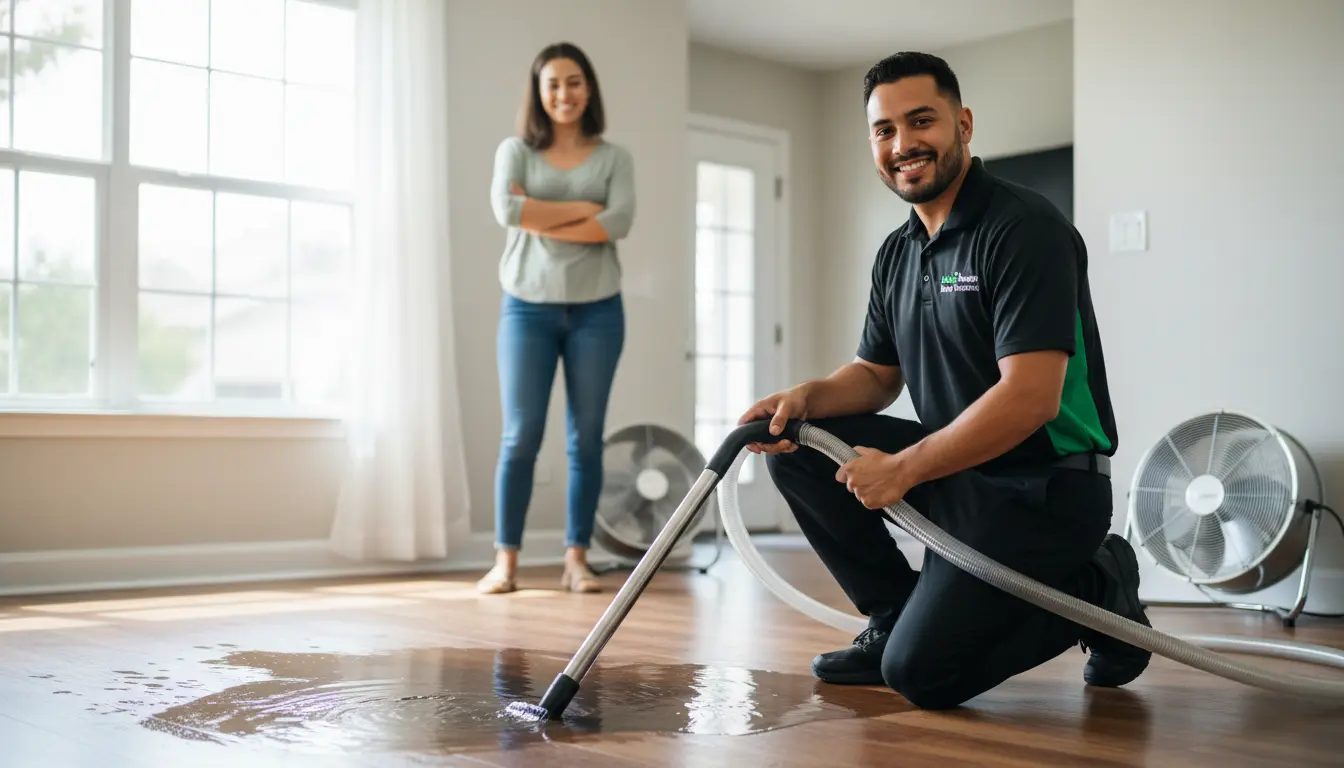
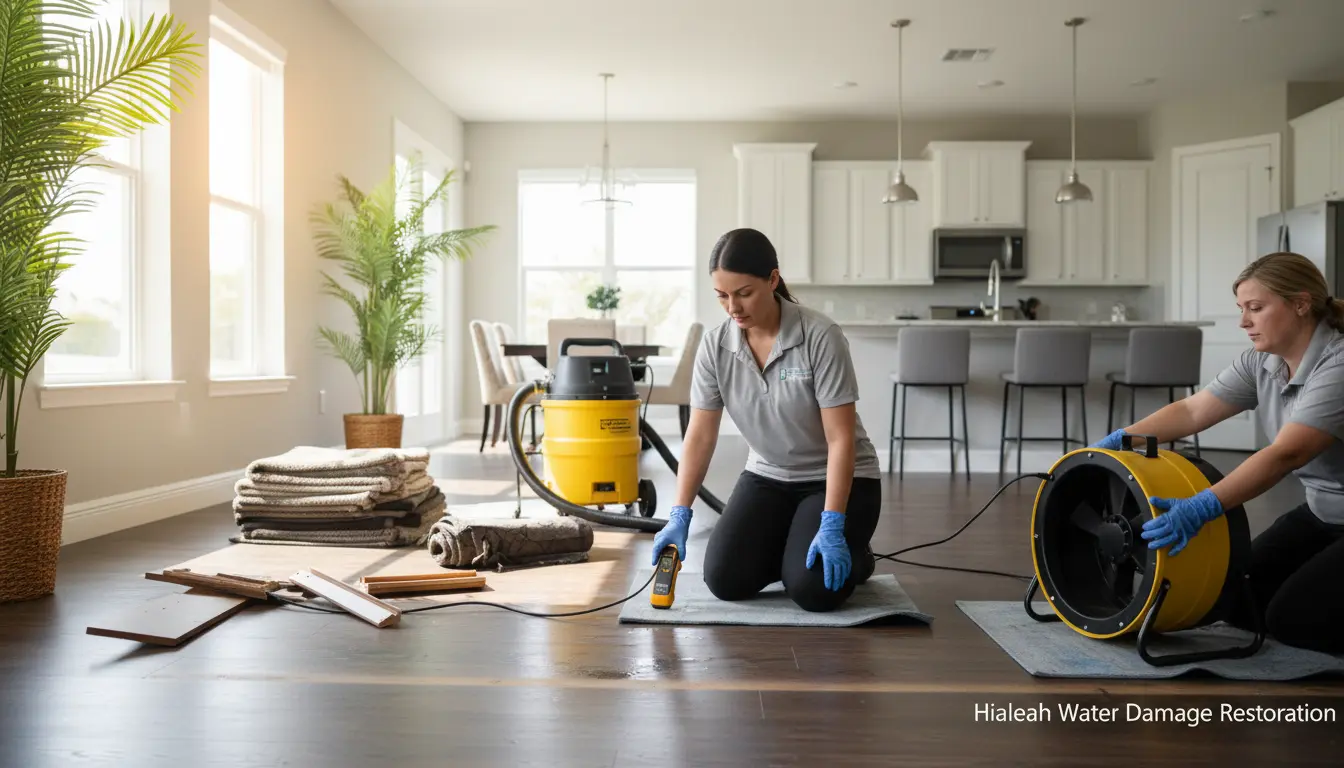
Living in sunny Florida comes with its perks, but it also means dealing with frequent rain, hurricanes, and high humidity that can lead to water damage in your home. If you’re a resident of Hialeah, you know how quickly a leaky roof or a burst pipe can turn your cozy space into a soggy nightmare. At Hialeah Water Damage Restoration, we’ve seen it all—from minor spills to major floods—and we’re here to set the record straight on some pervasive myths that could cost you time, money, and your home’s integrity.
In this post, we’ll debunk the most common water damage myths, share practical tips tailored to our local climate, and explain why acting fast is crucial. Whether you’re prepping for the next storm or recovering from recent damage, understanding these truths can save you from bigger headaches. Let’s dive in!
Myth 1: Water Damage Will Dry on Its Own
One of the biggest misconceptions among Hialeah homeowners is that if you just wait it out, the water will evaporate naturally, especially in our warm, humid environment. Florida’s climate might seem like it would speed up drying, but this myth is dangerously false.
Why This Myth Persists and Why It’s Wrong
In reality, Florida’s high humidity often slows evaporation, trapping moisture in walls, floors, and furniture. What starts as a small puddle can lead to mold growth within 24-48 hours. In Hialeah, where homes are built close to canals and the Everglades, excess moisture can seep into foundations, causing structural issues over time.
Practical Tips to Combat This Myth
- Act Immediately: Turn off the water source and remove standing water using pumps or towels. For larger incidents, like those from heavy rains in Hialeah, contact professionals right away.
- Use Dehumidifiers: Invest in a good dehumidifier to pull moisture from the air. In our tropical climate, this is essential for preventing mold.
- Ventilate Wisely: Open windows only if humidity is low; otherwise, it could worsen the problem.
If you’re dealing with sewage cleanup from a backed-up line—a common issue in older Hialeah neighborhoods—don’t rely on drying alone. Our team at Hialeah Water Damage Restoration uses industrial-grade equipment to ensure thorough drying.
Myth 2: DIY Water Damage Repair is Always Cost-Effective
Many residents think grabbing a bucket and some bleach will fix everything, saving on professional fees. While minor fixes might work, this myth overlooks the hidden complexities of water damage, especially in flood-prone areas like Hialeah.
The Hidden Costs of DIY
Amateur attempts often miss concealed water in walls or subfloors, leading to mold, rot, and even health hazards. In Florida, where termites thrive in damp conditions, untreated damage can invite pests that exacerbate the issue.
Actionable Advice for Hialeah Homeowners
- Assess the Scope: If water has affected more than 10 square feet or involves electrical systems, call experts. For instance, carpet restoration requires specialized tools to avoid permanent odors and stains.
- Prioritize Safety: Shut off electricity to avoid shocks, and wear protective gear if handling contaminated water.
- Document for Insurance: Take photos and notes; this helps with insurance claim assistance, which we provide to streamline your process.
Remember, in Hialeah’s diverse community, from historic homes in the Milam Dairy area to modern condos, water damage varies. Serving nearby spots like Miami Lakes, we recommend professional intervention to protect your investment.
Myth 3: Mold Only Grows in Visible Water Damage
A persistent belief is that mold is only a concern if you see pooling water. However, in Florida’s muggy atmosphere, even minor leaks can foster mold behind walls or under floors without obvious signs.
Understanding Mold Growth in Florida Homes
Hialeah’s proximity to Biscayne Bay means salt-laden air and frequent humidity spikes create ideal mold conditions. Invisible moisture from AC drips or roof leaks can lead to airborne spores, affecting respiratory health—especially for families with kids or elderly members.
Tips to Prevent and Detect Hidden Mold
- Regular Inspections: Check attics, basements, and crawl spaces quarterly. In Hialeah, where flooding from the Little River can occur, vigilance is key.
- Improve Ventilation: Install exhaust fans in bathrooms and kitchens to reduce moisture buildup.
- Professional Testing: If you suspect mold, opt for air quality tests rather than guessing.
For thorough remediation, including post-restoration cleaning, trust Hialeah Water Damage Restoration to restore air quality safely.
Myth 4: All Water Damage is Covered by Home Insurance
Homeowners often assume their policy covers every water mishap, but this isn’t always true. Exclusions for floods or neglect can leave you footing the bill.
Navigating Insurance Realities in Florida
Standard policies cover sudden bursts but not gradual leaks or hurricane-related floods without additional riders. In Hialeah, post-hurricane claims spike, and understanding your coverage is vital.
Steps to Ensure Proper Coverage
- Review Your Policy: Look for water damage specifics and consider flood insurance through NFIP, given Florida’s risks.
- File Promptly: Document everything and submit claims within deadlines.
- Seek Expert Help: Our insurance claim assistance service helps Hialeah residents maximize reimbursements.
If your home in areas like Sweetwater faces basement issues, explore basement flooding response options early.
Myth 5: Water Damage Only Affects Older Homes
Newer constructions in Hialeah are thought to be immune, but modern materials can trap moisture just as effectively.
Why New Homes Aren’t Exempt
Energy-efficient designs seal homes tightly, reducing airflow and allowing humidity to linger. In Florida’s intense sun, poor installation can lead to hidden leaks.
Proactive Measures for All Homes
- Maintain Gutters: Clean them twice yearly to prevent overflow, a common Hialeah problem during monsoons.
- Seal Cracks: Inspect and caulk around windows and doors.
- Upgrade Plumbing: Older pipes in renovated homes can fail unexpectedly.
We serve communities like University Park, where diverse housing stocks all benefit from preventive care.
FAQ: Common Questions About Water Damage in Hialeah
1. How quickly should I respond to water damage?
Ideally within the first hour to minimize mold and structural damage. In Hialeah’s humid climate, delays can lead to rapid deterioration.
2. Can I clean up sewage water myself?
No, sewage is category 3 water with pathogens. Professional sewage cleanup is essential for safety.
3. Does renters insurance cover water damage?
It may cover sudden incidents but not floods. Check your policy or consult us for guidance.
4. How can I prevent water damage during hurricane season?
Elevate appliances, install sump pumps, and trim trees. For Hialeah specifics, we’re your local experts.
5. What if water damage affects my HVAC system?
It can spread contaminants. Professional drying and post-restoration cleaning are crucial to avoid health risks.
Conclusion: Protect Your Hialeah Home Today
Water damage myths can lead to costly mistakes, but armed with the facts, you can safeguard your property against Florida’s unpredictable weather. From debunking drying delusions to understanding insurance nuances, proactive steps make all the difference. At Hialeah Water Damage Restoration, we’re committed to serving our community with reliable, fast response—whether in Hialeah or nearby areas like Miami Springs.
Don’t let myths flood your peace of mind. If you’ve experienced water damage or want a free inspection, contact Hialeah Water Damage Restoration today at (786) 442-1985 or visit our site to schedule service. Your home deserves expert care—let’s keep it dry and safe!