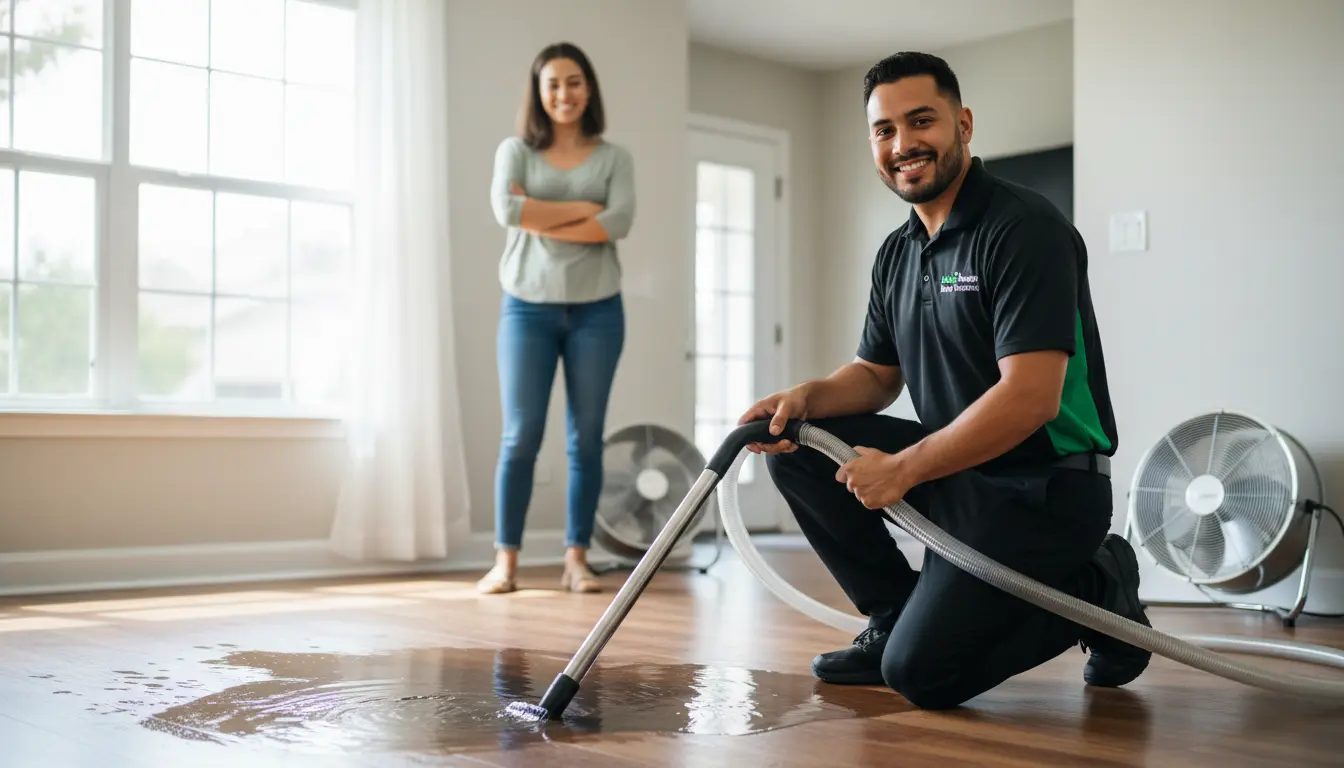
In the midst of a torrential downpour, the Garcia family in West Hialeah, Florida, faced a nightmare scenario: their home was flooded with sewage backup, threatening the health and safety of their loved ones. The putrid smell of black water filled the air, and the risk of mold growth and structural damage loomed large. As a Certified Master Water Restorer, I have seen many such cases, where prompt and professional sewage backup cleanup is crucial to prevent long-term damage and ensure a safe living environment. In areas like Hialeah, prone to heavy rainfall and high humidity, it is essential to understand how to handle sewage backup cleanup safely and effectively.
The first step in addressing sewage backup is to recognize the urgency of the situation. Sewage water, also known as Category 3 water, contains harmful pathogens and contaminants that can cause severe health issues. The longer the water stands, the higher the risk of mold growth, structural damage, and biohazard exposure. It is critical to act quickly and call a professional water damage restoration service, such as Sewage Cleanup, to mitigate the damage and prevent further complications.
Hialeah homes are particularly vulnerable to water damage issues due to the region’s high tropical humidity and frequent heavy rainfall. As explained in our article on Why Hialeah Homes Are Prone To Water Damage Issues, the unique combination of climate and geography in South Florida creates an environment conducive to water intrusion and subsequent damage. Understanding these factors is key to developing effective prevention and mitigation strategies.
Technical Process of Sewage Backup Cleanup
The professional water damage restoration workflow involves several critical steps, including emergency assessment, moisture mapping, standing water extraction, structural drying, and sanitization. Each step requires specialized equipment and expertise to ensure that the affected area is thoroughly cleaned, disinfected, and restored to a safe condition. For instance, truck-mounted extractors are used for efficient water removal, while Low Grain Refrigerant (LGR) dehumidifiers are employed to manipulate vapor pressure and facilitate structural drying. The use of psychrometric principles and thermal imaging also plays a crucial role in identifying and addressing hidden moisture pockets.
In Hialeah, where ambient humidity levels are notoriously high, the selection and operation of dehumidification equipment must be carefully tailored to the specific conditions of each job site. This might involve adjusting the ratio of air movers to dehumidifiers or employing supplementary heating to enhance the evaporation process. A thorough understanding of local conditions and the application of scientific principles are essential for effective sewage backup cleanup and water damage restoration.
Data Comparison for Professional Mitigation vs. DIY Cleanup
When considering how to handle sewage backup cleanup, it is helpful to evaluate the differences between professional mitigation and DIY cleanup efforts. The following comparison highlights key aspects of each approach:
| Feature/Metric | Professional Mitigation | DIY Cleanup |
|---|---|---|
| Moisture Removal Rate | High, using specialized equipment | Low, relying on household appliances |
| Drying Time | Significantly reduced with proper equipment and techniques | Often prolonged, leading to increased risk of mold and structural damage |
| Mold Prevention | Effective, through the use of antimicrobials and controlled environments | Limited, without access to professional-grade treatments and equipment |
Source: IICRC S500 Reference Guide
Expert Insights for Property Owners
To ensure a safe and effective sewage backup cleanup, property owners should be aware of several key considerations. Firstly, it is crucial to shut off the main water valve immediately to prevent further water intrusion. Secondly, documenting the water boundaries and damage for insurance purposes can significantly streamline the claims process. Lastly, isolating the affected area to prevent cross-contamination and the spread of mold spores is vital.
Common mistakes made by property owners include waiting too long to call for professional help, using standard ceiling fans which can spread mold spores, and trusting that surfaces are dry simply because they feel touch-dry. These mistakes can lead to severe consequences, including structural rot, secondary mold growth, and delamination of flooring. It is essential to understand that water damage restoration is a complex process that requires professional expertise and specialized equipment.
Pricing and Cost Factors
The cost of sewage backup cleanup and water damage restoration can vary widely depending on several factors. These include the category of water (clean, gray, or black), the class of water damage (reflecting the level of absorption and damage), and the need for structural teardown or hazardous material handling. Additional costs may be associated with equipment rental fees, hourly rates for emergency extraction, and per square foot mitigation costs.
Some of the key factors influencing cost include:
- Category of water: Black water, for example, requires more extensive and expensive treatment due to its high contaminant load.
- Class of water damage: Higher classes of damage necessitate more invasive and costly restoration procedures.
- Need for structural teardown: In severe cases, the removal and replacement of damaged structures may be necessary, significantly increasing costs.
Safety and Standards in Water Damage Restoration
Safety is paramount in sewage backup cleanup and water damage restoration. Professionals must adhere to strict safety protocols, including those outlined by OSHA and the IICRC. The use of EPA-registered antimicrobials and hospital-grade biocides is also critical in preventing biohazard exposure and ensuring a safe living environment. Certifications such as IICRC WRT/ASD demonstrate a restorer’s competence in safely and effectively mitigating water damage.
FAQs
What is the first step I should take if I experience a sewage backup in my home?
The first step is to ensure your safety and the safety of your family. Move to a safe location and avoid contact with the contaminated water. Then, call a professional water damage restoration service to assess and mitigate the damage. It is also crucial to notify your insurance provider as soon as possible to initiate the claims process.
How long does sewage backup cleanup typically take?
The duration of sewage backup cleanup can vary significantly depending on the extent of the damage, the category of water, and the complexity of the restoration process. While some situations may be resolved within a few days, others can take weeks or even months to fully restore. It is essential to work with a professional restoration service that can provide a detailed timeline and keep you informed throughout the process.
Can I use a standard household dehumidifier for drying after a sewage backup?
No, standard household dehumidifiers are not designed to handle the high moisture loads and contaminant levels associated with sewage backup. Professional-grade dehumidifiers, such as LGR dehumidifiers, are specifically designed for water damage restoration and are much more effective in removing moisture and preventing further damage.
How can I prevent mold growth after a sewage backup?
Preventing mold growth requires prompt and professional mitigation of the water damage, followed by thorough drying and sanitization of the affected area. The use of antimicrobials and maintaining a controlled environment are also critical in preventing mold growth. Regular inspections and monitoring for signs of moisture or mold are essential in the days and weeks following the initial cleanup.
Conclusion
In conclusion, handling sewage backup cleanup near West Hialeah safely requires a deep understanding of the risks involved, the importance of prompt action, and the need for professional expertise. By recognizing the signs of water damage, understanding the technical process of mitigation, and being aware of the cost factors and safety standards involved, property owners can make informed decisions to protect their health, safety, and investment. For those in need of reliable and efficient sewage backup cleanup and water damage restoration services in Hialeah, Florida, contacting a professional restoration service is the first step towards a safe and successful recovery.
Remember, the key to minimizing damage and ensuring a safe living environment is swift action and the right professional help. Don’t hesitate to reach out to a trusted water damage restoration service in your area for guidance and support.
By choosing a reputable and experienced restoration company, such as one that serves Westwood Lakes and Westchester, you can ensure that your home is restored to its original condition, safely and efficiently. Visit our blog for more information on water damage restoration and prevention strategies, including how to prevent flood damage and the top tips for fast water damage cleanup.