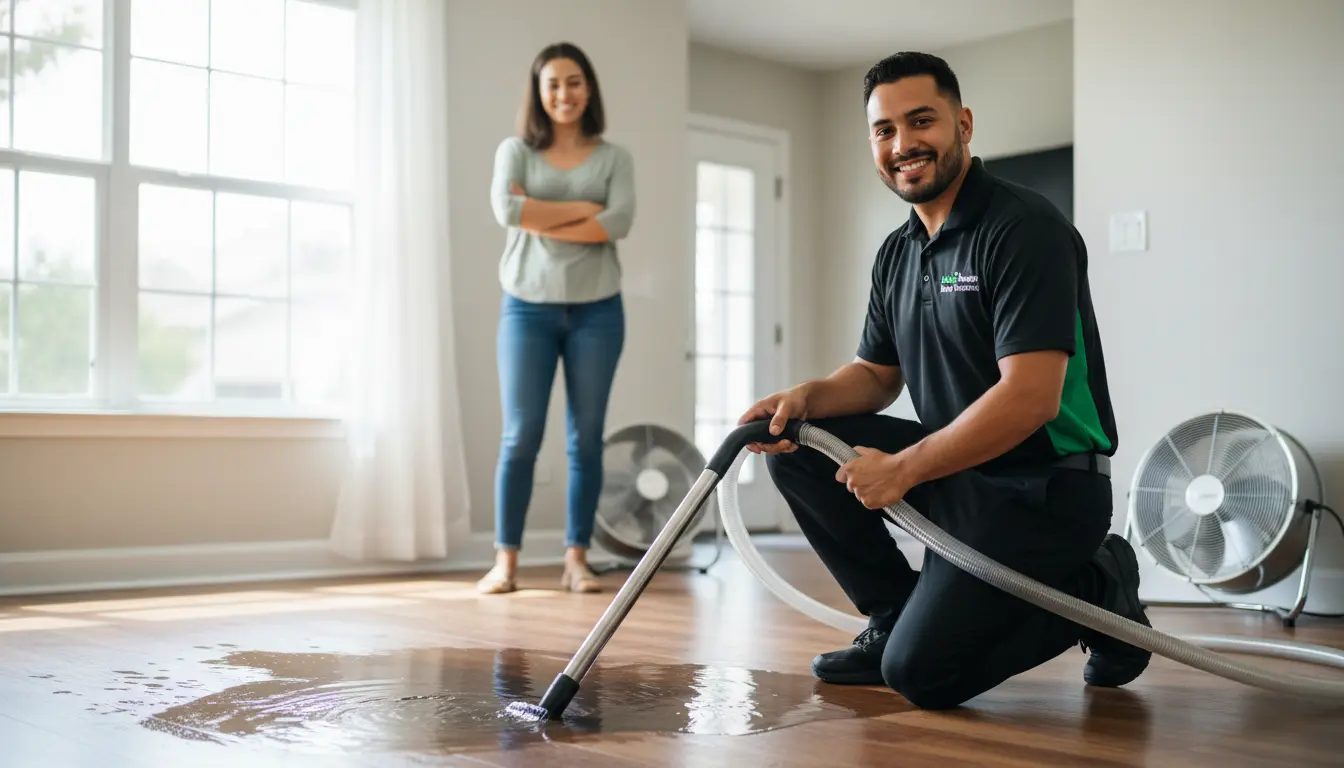
As a Certified Master Water Restorer in Hialeah, I’ve seen firsthand the devastating effects of water damage on homes and businesses. One particular case that stands out was a residential flood in a Hialeah Heights neighborhood, where a burst pipe led to a Category 3 water loss, affecting the entire first floor. The homeowner, aware of the risks of secondary damage and mold growth, promptly called our team at Hialeah Water Damage Restoration. We sprang into action, deploying truck-mounted extractors, Low Grain Refrigerant (LGR) dehumidifiers, and HEPA air scrubbers to mitigate the damage and prevent further deterioration. This scenario highlights the critical importance of immediate professional intervention in water damage situations, especially in South Florida’s humid climate, where Hialeah homes are particularly prone to water damage issues.
The rapid onset of mold and the potential for structural failure make professional water mitigation a necessity. In Hialeah, where tropical storms and hurricanes can cause sudden and severe flooding, knowing the best course of action is crucial. The question many homeowners face is whether to opt for professional water damage restoration or attempt a DIY cleanup. Understanding the differences and the implications of each approach is vital for making an informed decision that protects both the structure of the home and the health of its occupants.
Understanding Water Damage Restoration vs. DIY Cleanup
Water damage restoration is a complex process that involves not just the removal of standing water but also the thorough drying of structures, sanitization, and restoration of the property to its pre-loss condition. Professionals use advanced equipment and follow strict protocols to ensure that all moisture is removed, significantly reducing the risk of mold growth and structural damage. In contrast, DIY cleanup efforts often lack the necessary equipment and expertise, leading to incomplete drying and potential health hazards.
A key aspect of professional water damage restoration is the use of psychrometry, the study of the relationship between air and water vapor. By understanding and manipulating these relationships, restorers can effectively dry structures, even in Hialeah’s humid environment. Moreover, professionals conduct thorough moisture mapping to identify all areas affected by water, ensuring that no pockets of moisture are left behind to spawn mold or cause further damage.
Technical Process of Water Damage Restoration
The process begins with an emergency assessment to determine the extent of the damage and the necessary equipment and personnel required. Standing water is extracted using powerful truck-mounted equipment, and then the structural drying process commences. This involves the strategic placement of LGR dehumidifiers and air movers to expedite evaporation, thus lowering the ambient humidity and preventing further water vapor from entering the structure.
Thermal imaging cameras are used to detect hidden moisture within walls and ceilings, ensuring that all affected areas are addressed. Sanitization is also a critical step, particularly in cases of Category 3 water damage, where the water may contain contaminants. Professionals use EPA-registered disinfectants to ensure the area is safe for occupancy.
For more detailed information on the steps involved in water damage restoration and how it applies to Hialeah homes, refer to our Ultimate Guide to Water Damage Restoration in Hialeah.
Data Comparison: Professional Mitigation vs. DIY Cleanup
When considering the approach to water damage, it’s essential to weigh the benefits and risks of professional mitigation against DIY cleanup. The following comparison highlights key differences:
| Feature/Metric | Professional Mitigation | DIY Cleanup |
|---|---|---|
| Moisture Removal Rate | High, using advanced equipment | Low, relying on basic household items |
| Drying Time | Faster, due to specialized equipment and techniques | Slower, increasing the risk of secondary damage |
| Mold Prevention | Effective, through thorough drying and sanitization | Inadequate, often leading to mold growth |
Source: IICRC S500 Reference Guide
Expert Insights for Homeowners
As a homeowner in Hialeah, it’s crucial to be aware of the steps you can take immediately after a water damage event. Shutting off the main water valve is the first line of defense against further damage. Additionally, documenting the water boundaries and the extent of the damage is vital for insurance purposes. Isolating the affected area to prevent the spread of water and potential contaminants is also a priority.
Common mistakes include waiting too long to call professionals, which can lead to increased damage and health risks, and using household fans, which can spread mold spores and worsening the situation. For a comprehensive guide on emergency steps after water leaks in Hialeah homes, visit Emergency Steps After Water Leaks in Hialeah Homes.
Pricing and Cost Factors
The cost of water damage restoration can vary widely depending on several factors, including the category and class of water damage, the size of the affected area, and the need for specialized equipment or hazardous material handling. Generally, the cost can range from a few thousand dollars for small, localized damage to tens of thousands of dollars for extensive flooding.
Key factors influencing cost include:
- The category of water (clean, gray, or black), with black water being the most expensive to mitigate due to its high contamination level.
- The class of water damage, reflecting the absorption rate of materials, with higher classes requiring more extensive drying efforts.
- The need for structural teardown or the handling of hazardous materials like asbestos or lead-based paint, which can significantly increase costs and complexity.
Safety and Standards
Safety is paramount in water damage restoration. Professionals adhere to strict OSHA safety protocols and use personal protective equipment (PPE) to prevent exposure to potential biohazards. The use of EPA-registered antimicrobials and hospital-grade biocides ensures that the area is not only dry but also safe for occupancy.
Certifications like IICRC WRT (Water Restoration Technician) and ASD (Applied Structural Drying) are indicators of a professional’s expertise and commitment to industry standards. These standards are crucial in ensuring that the restoration process is conducted efficiently and safely, minimizing the risk of secondary damage or health hazards.
FAQs
What is the difference between clean water, gray water, and black water in terms of water damage?
The category of water is a critical factor in determining the approach to water damage restoration. Clean water comes from a sanitary source and poses the least risk. Gray water is contaminated and requires specialized handling to prevent the spread of disease. Black water, typically from sewage backups, is highly contaminated and poses significant health risks, requiring immediate professional mitigation.
How long does water damage repair take in Hialeah?
The duration of water damage repair can vary significantly depending on the extent of the damage, the size of the affected area, and the materials involved. Generally, small-scale damage can be mitigated within a few days, while more extensive damage can take weeks or even months to fully repair. For more detailed information, refer to How Long Does Water Damage Repair Take in Hialeah.
Can I use a standard dehumidifier for water damage cleanup?
While a standard household dehumidifier can remove some moisture from the air, it is not sufficient for water damage cleanup. Professional-grade LGR dehumidifiers are designed to handle the high levels of moisture present in water damage scenarios, making them a necessity for effective drying. For tips on fast water damage cleanup, visit Top 7 Tips for Fast Water Damage Cleanup in FL.
What are the shocking costs of ignoring water damage in Florida?
Ignoring water damage can lead to significant financial and health consequences. Secondary damage, such as mold growth and structural deterioration, can increase restoration costs exponentially. Moreover, the presence of mold can lead to serious health issues, especially for individuals with allergies or compromised immune systems. For a detailed look at the costs, refer to The Shocking Costs of Ignoring Water Damage in Florida.
Conclusion
In conclusion, when faced with water damage, Hialeah homeowners must make a critical decision between professional water damage restoration and DIY cleanup. The risks associated with DIY efforts, including incomplete drying, mold growth, and structural damage, far outweigh any potential cost savings. Professional restoration services, like those offered by Hialeah Water Damage Restoration, provide the expertise, equipment, and assurance of a job well done, ensuring the health and safety of occupants and the integrity of the structure.
By choosing professional water damage restoration, homeowners in Hialeah can mitigate the immediate effects of water damage and prevent long-term consequences. Remember, the key to successful water damage restoration is rapid response, scientific methodology, and adherence to industry standards. For expert guidance and emergency response, contact Hialeah Water Damage Restoration, your trusted partner in water damage mitigation and restoration in Hialeah, Florida.